Fall is an important season for turf management. Plant health care (PHC) professionals have a narrow window to help lawns recover from summer and set the foundation for spring growth. For cool-season turf, overseeding can help improve density, appearance, and overall vigor while preparing lawns for the seasons ahead.
What Is Overseeding?
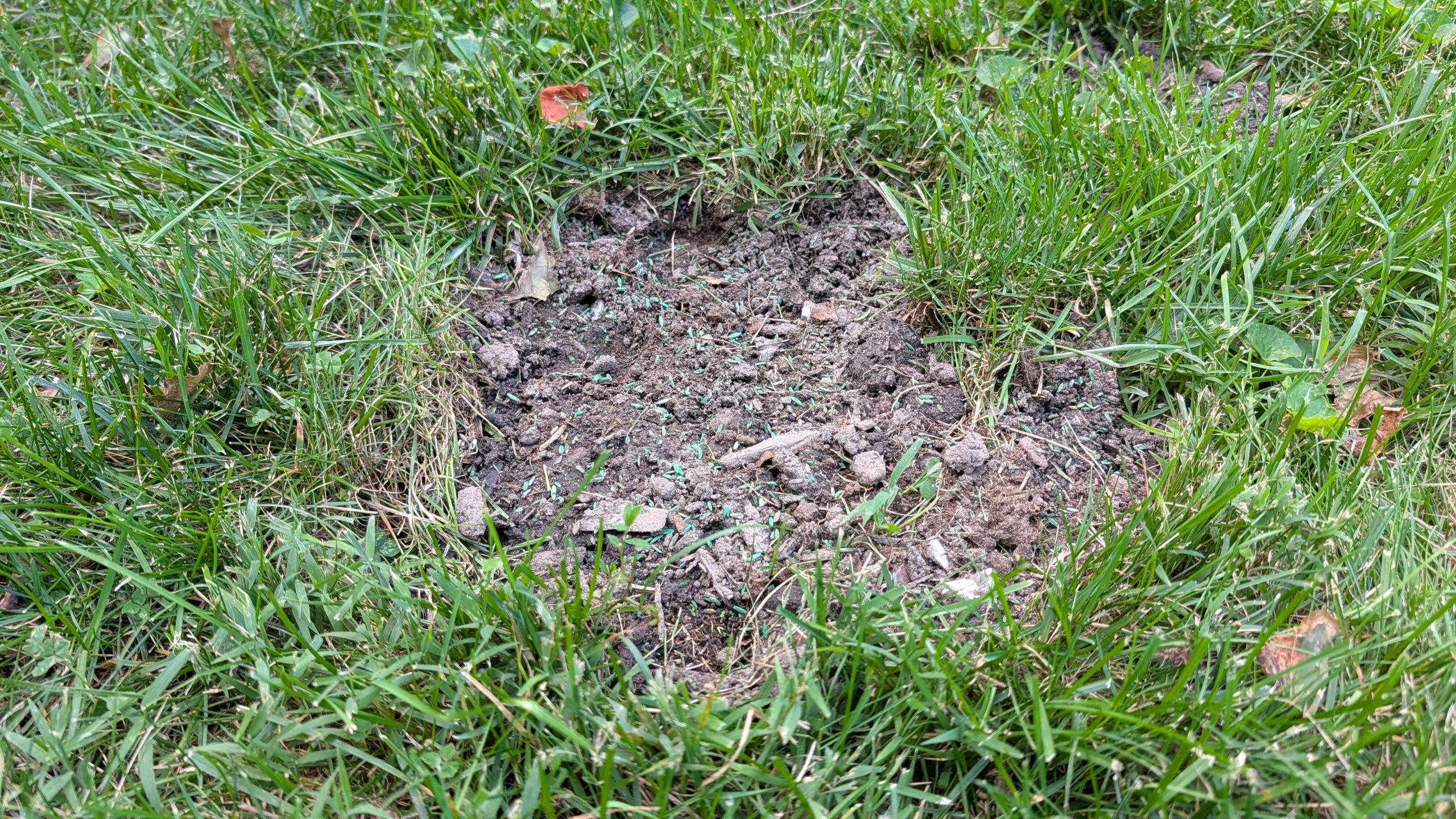
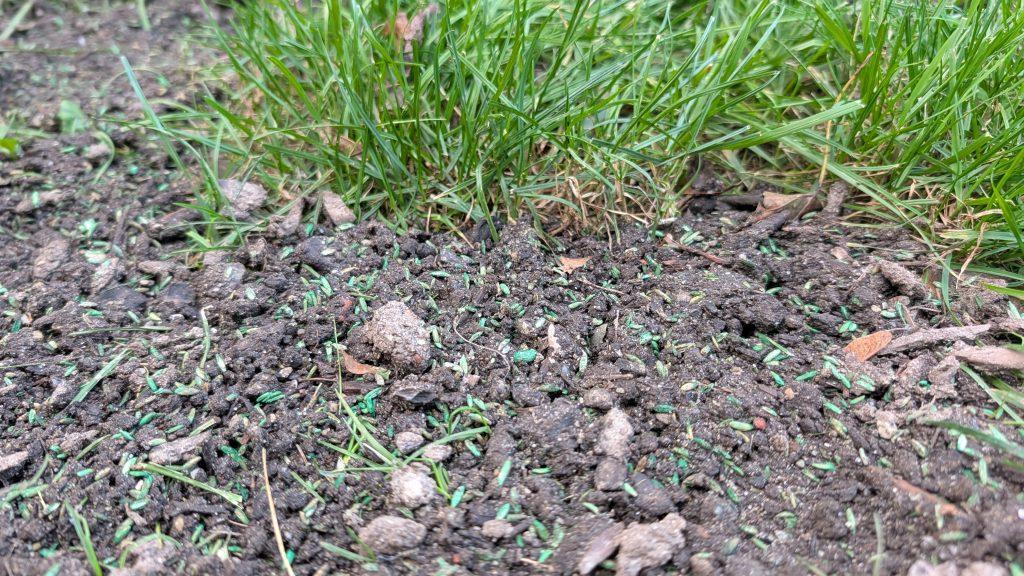
Overseeding is the practice of spreading grass seed over an existing lawn without removing the established turf. It introduces new growth into bare, thin, or stressed areas.
This practice also allows professionals to introduce new turfgrass varieties into an existing stand. Depending on the seed selected, introducing a different species may help improve overall lawn characteristics such as color, texture, and stress tolerance.
Why Overseed in the Fall?
Late summer and early fall offer favorable conditions for seed germination and establishment. Cooler air temperatures provide a less stressful environment for developing turf, but soil temperatures are still high enough to permit growth below-ground.
Planting in the fall allows seeds to develop before winter dormancy, which is a great way to address summer wear. At a higher level, this end-of-season practice helps incorporate minor renovations into an existing turf management program. When the weather turns again in the spring, the overseeded areas will be ready to rejuvenate alongside the preexisting lawn.
Benefits of Overseeding
Dense, uniform turf contributes to both the appearance and performance of a lawn. Overseeding can help fill areas affected by summer heat, drought, foot traffic, and other environmental stresses. Increasing turf density also reduces open areas where undesirable plants may become established.
Best Practices for Better Establishment
A major component to successful overseeding is selecting the right type of grass. PHC professionals need to consider the local climate, sunlight, soil conditions, and location (lawn, sports field, park, etc.) when selecting turfgrass varieties.
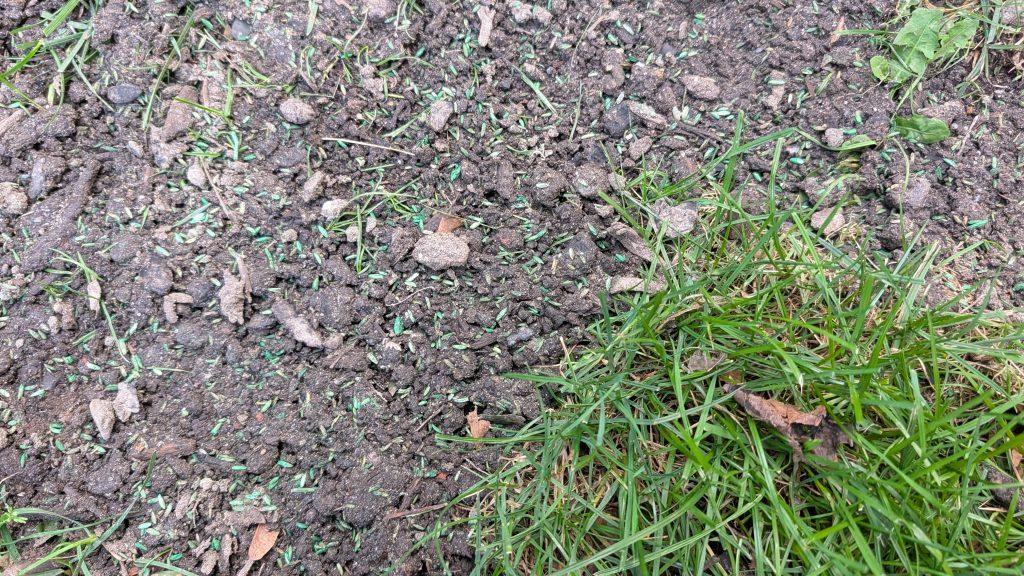
Seed-to-soil contact is similarly important. This can be addressed by mowing close to the soil before seeding, removing debris, and clearing out excessive thatch.
Water management is also vital. Newly seeded areas require consistent moisture to ensure establishment can take place. Be sure to water frequently, but lightly, to help with initial establishment without rotting or washing away your seeds.
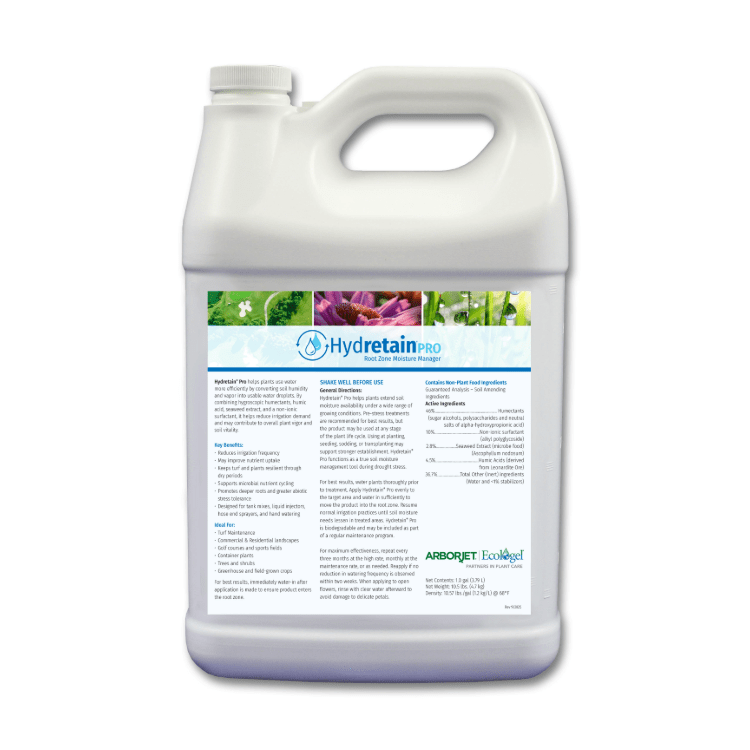
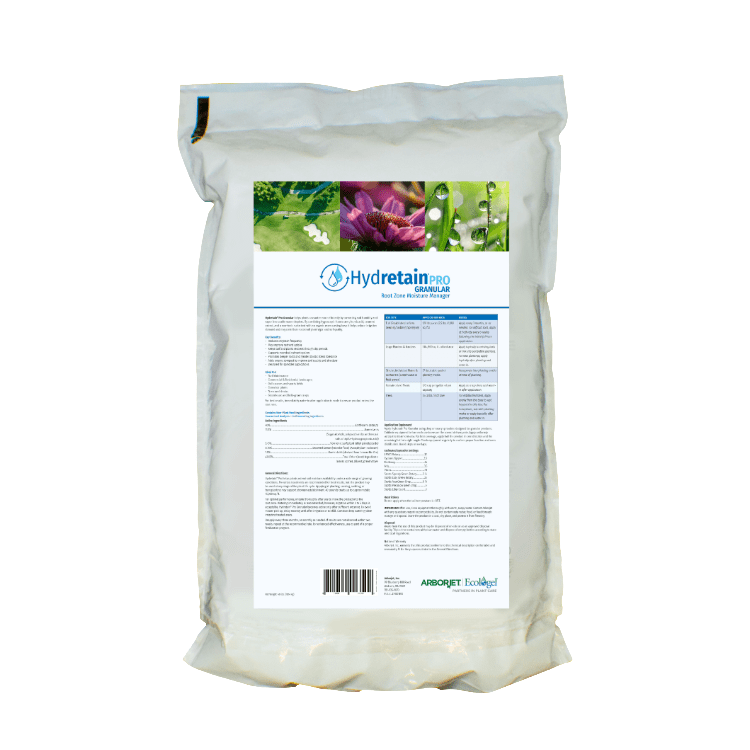
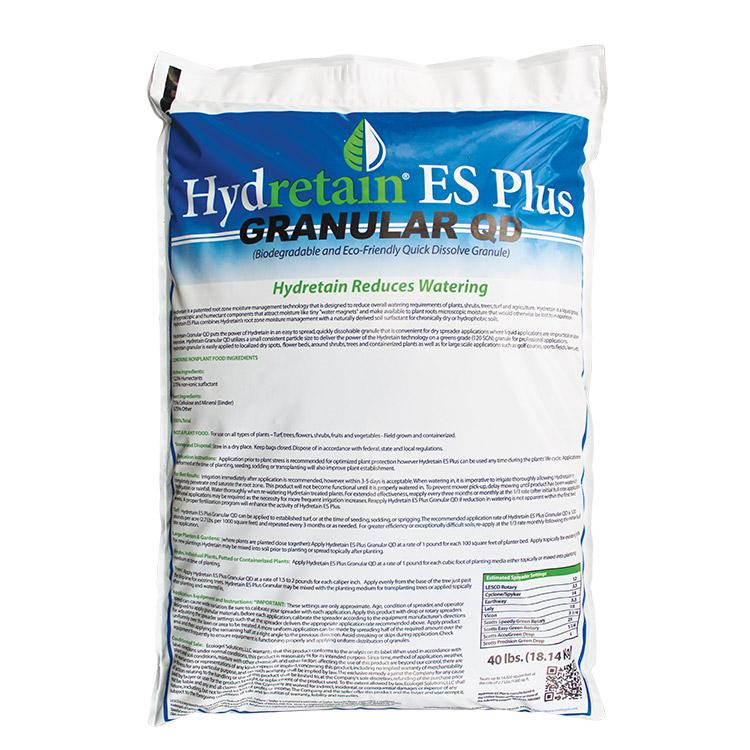
This is also where a broader water-management strategy can be a true complement. Hydretain Pro can help elevate the efficacy of an overseeding program. It provides turf with steady hydration by moving moisture through the soil and condensing vapor into water droplets. The product also contains humic acid and seaweed extract, which helps enhance the microbial activity needed to help seedlings get established before winter dormancy.
With thoughtful preparation, precise execution, and effective water management, overseeding can help PHC professionals close out the growing season with stronger turf—and set the stage for a better-looking lawn next spring.